

The National Crisis Behind SNAP Benefit Cuts

The government shutdown on October 1, 2025 due to a budget deadlock and has left many federal employees unemployed, federal buildings closed, and resulted in a drastic cut in Supplemental Nutrition Assistance Program (SNAP) benefits, a nationwide food assistance program. Around 42 million Americans can expect a cut to their benefits beginning this November. This has led to a national crisis in the U.S with funding being frozen and many left uncertain about food assistance.
In 1964, President Lyndon B. Johnson’s War on Poverty led to the establishment of SNAP, formerly known as the Food Stamp Program. Its direct and revolutionary goal was to guarantee that no American would go hungry due to financial difficulties. Since then this program has grown to be the biggest anti-hunger initiative in the nation, helping millions of people purchase basic necessities through monthly stipends.
When Congress fails to pass a new budget the government shuts down and in turn, cuts SNAP benefits. The 2025 funding bill has not yet been passed, so the department that administers SNAP, the U.S. Department of Agriculture, cannot release new funds. Negotiations are being delayed by disagreements about spending priorities, border security, and social programs. Millions of low income households will now have reduced or none of their monthly benefits because SNAP is now obligated to run on limited reserves.
Who are the Recipients of SNAP?
Today, SNAP is among the country’s most important safety nets. The majority of participants are employed, working in low-paying sectors where erratic schedules and stagnant pay make it challenging to cover living expenses. Children make up over two-thirds of SNAP recipients, while elderly adults and those with disabilities make up one-third.
SNAP has served as a lifeline for communities that have often been shut out of economic opportunities. For migrant workers and mixed status families, the program fills in the gaps left by unpredictable employment and restricted eligibility for other federal aid programs.
In order to balance employment and caregiving obligations while guaranteeing food security for children, single parent households, specifically those headed by women, have heavily relied on SNAP. As a step towards security and independence, the program also helps students, veterans, and people transitioning out of homelessness or domestic violence.
The Nationwide Chain Reaction
Beyond individuals who directly depend on food assistance, the cuts will have a far-reaching impact. Food banks and community organizations nationwide are preparing for an unprecedented demand as millions of people lose their food aid. If government funding is not reinstated, many organizations fear they will run out of supplies in a matter of weeks.
As more students come to class hungry, school districts that depend on federal nutrition programs will come under increasing pressure to extend meal plans. Additionally, since many of their regular customers rely on SNAP purchases, small grocery stores are expected to experience sharp drops in revenue. This downturn could result in layoffs and company closures which would hurt local economies that are already dealing with inflation and growing food prices.
The impact will also be felt by farmers, food distributors, and restaurants that depend on consistent consumer spending. This all demonstrates that SNAP is an engine of economic circulation rather than simply a welfare program. Economists warn that there may be long-term repercussions if the government shutdown and funding freeze continues.
Judge McConnell Orders the Trump Administration
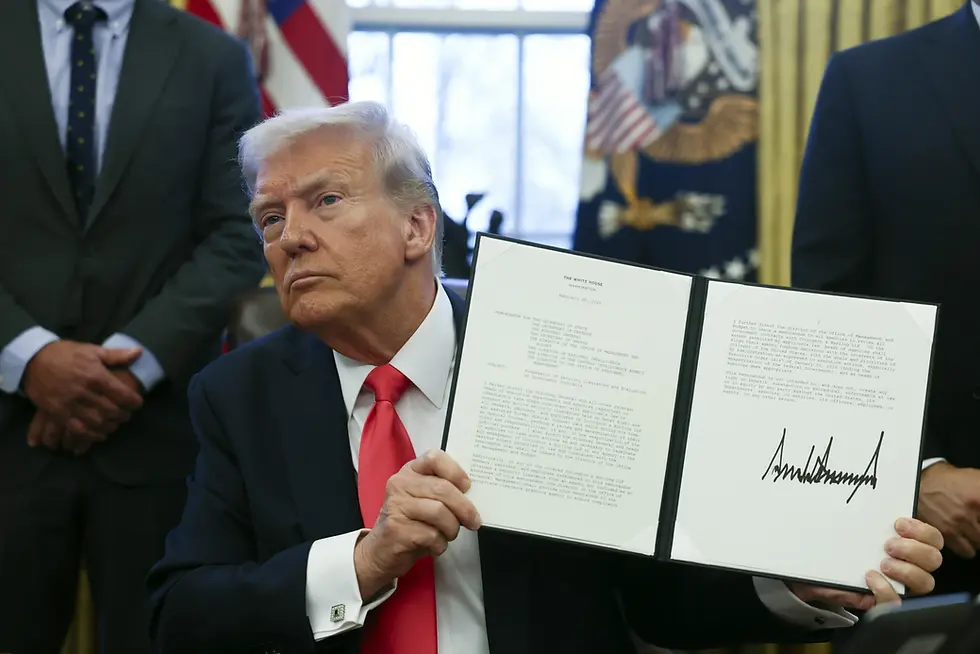
Despite the continued government shutdown, federal judge John J. McConnell Jr. ordered in early November 2025 that the Trump administration must fully restore SNAP benefits. The court determined that reducing aid went against federal rules that guarantee ongoing access to food assistance. Yet, following days of legal back and forth, the administration declared it would only partially comply, agreeing to pay for about half of November’s SNAP benefits while still appealing the decision.
Millions of Americans are left in the dark by this ruling. Half a benefit equates to half a month’s worth of food for many recipients. This shortage will now fall on local businesses, food banks, and schools, to fill the void left by political gridlock.
This case highlights how the battle over budget priorities had turned into a struggle for basic survival, one that exposes the fragility of the nation’s social safety net and the human cost of party impasse.
Image Source: WTHR


Comments